Nearly 4 in 10 American homes use gas-powered cooking appliances – that’s over 40 million households facing potential air quality concerns. Federal regulators recently revealed they’re exploring first-ever health standards for these kitchen staples, sparking nationwide conversations about what really happens when we fire up dinner.
Modern appliance evaluations now look beyond basic functionality. Experts analyze invisible threats like nitrogen dioxide emissions alongside visible risks like surface temperatures. Your choice between induction, electric, or gas models could impact your family’s respiratory health for years.
New proposals might require improved ventilation systems with future stove purchases. While existing units won’t need replacement, these developments highlight why understanding how appliances get safety certifications matters more than ever. The right information helps you balance cooking preferences with household well-being.
Key Takeaways
- Federal agencies are considering new health-focused standards for cooking appliances
- Safety evaluations now include air quality impacts and long-term exposure risks
- Proper ventilation reduces potential respiratory health concerns
- Appliance choices affect children and sensitive groups more significantly
- Current regulations would only apply to newly manufactured products
Understanding Cooktop Safety Ratings Decoded
Your cooking surface choice directly affects your home’s environment. Modern appliance tests now measure invisible threats alongside traditional performance metrics. This shift helps families make informed decisions about their household’s well-being.

What Determines Appliance Certification?
Certification programs assess multiple factors beyond basic functionality. They track harmful emissions during typical meal preparation, including gases linked to respiratory issues. Tests also check surface temperatures and automatic shut-off reliability.
Health Implications of Cooking Technologies
Different heating methods create distinct indoor environments. Gas models release combustion byproducts that accumulate quickly without proper ventilation. Electric and induction options eliminate flame-related pollutants but require different safety considerations.
| Type | NO2 Emissions | Energy Efficiency | Safety Features |
|---|---|---|---|
| Gas | High | Medium | Manual controls |
| Electric | None | Low | Cool-touch indicators |
| Induction | None | High | Auto-shutoff |
Vulnerable groups like children face higher risks from poor air quality. Some emissions from gas appliances exceed outdoor regulatory limits within hours of use. Proper ventilation reduces these concentrations by up to 60% according to recent studies.
Pros of Cooktop Safety in Modern Kitchens
Today’s kitchen technologies transform meal preparation into a cleaner, smarter experience. Advanced cooking systems now address two critical household needs: environmental health and operational performance.

Enhanced Efficiency and Indoor Air Quality Benefits
Electric and induction models eliminate combustion byproducts that degrade indoor air quality. Unlike gas alternatives, these systems don’t release nitrogen dioxide or carbon monoxide during use. ENERGY STAR-certified options perform 18% better than standard units, according to federal efficiency benchmarks.
Induction technology stands out with 85% direct energy transfer to cookware. This precision reduces wasted heat while boiling water 50% faster than gas burners. Your kitchen stays cooler, and your energy bills shrink noticeably.
Energy Savings and Improved Safety Features
Modern appliances integrate smart safeguards that prevent accidents. Automatic shut-off systems activate when pans overheat or sit empty. Control locks and residual heat indicators add layers of protection, especially in homes with young children.
- No open flames reduce fire risks by 34% compared to gas models
- Cookware detection stops activation without compatible pans
- Consistent heating prevents dangerous temperature spikes
These innovations demonstrate how energy-smart designs and air quality protections work together. You gain cooking precision while maintaining a healthier living environment.
Cons and Safety Concerns to Consider
A December study reveals gas burners might influence childhood asthma rates as much as secondhand smoke. This finding spotlights why families should weigh both immediate costs and long-term consequences when choosing kitchen appliances.

Potential Health Risks Linked to Gas Stoves
Combustion from natural gas releases nitrogen dioxide levels exceeding outdoor air quality standards within minutes. The American Medical Association confirms this pollutant directly correlates with worsened asthma symptoms, particularly in children.
Homes without range hoods venting outdoors trap dangerous particles. Carbon monoxide and formaldehyde accumulate, creating what researchers call “indoor smog.” Vulnerable groups face 42% higher respiratory infection risks in these environments according to recent data.
Cost Implications and Upgrading Challenges
Switching from gas systems often requires expensive electrical upgrades – some homes need new 240-volt circuits. Induction models demand compatible cookware, adding $200-$800 to initial costs.
The gas industry’s lobbying efforts mean many buyers don’t receive full health impact disclosures. As one public health expert notes: “We’re seeing regulatory gaps that wouldn’t exist if these emissions occurred outside kitchen windows.”
While new safety proposals focus on future models, current users face tough choices. Proper ventilation reduces risks, but retrofitting ductwork costs $500-$2,500 depending on home layout. These hurdles explain why 68% of gas users hesitate to switch despite health concerns.
Comparing Cooking Options: Gas, Electric, and Induction
Modern kitchens demand appliances that balance performance with health considerations. Three distinct technologies dominate today’s market, each with unique operational methods and household impacts.

Safety and Efficiency: Gas vs. Electric Cooking
Gas systems offer precise flame control but release harmful emissions during use. A single burner can produce nitrogen dioxide levels exceeding outdoor air standards within 15 minutes. Electric alternatives eliminate combustion risks but retain residual heat on glass surfaces.
Traditional electric models use coiled metal elements or halogen bulbs beneath ceramic surfaces. These options prevent gas leaks but require caution around hot zones. Energy efficiency varies significantly – radiant models waste 40% of generated heat compared to gas’s 67% loss.
Induction Cooktops as a Cutting-Edge Alternative
Electromagnetic technology revolutionizes kitchen safety. Induction systems only activate when detecting magnetic cookware, leaving inactive zones cool to the touch. This method achieves 85% energy transfer – boiling water twice as fast as gas burners.
Key advantages include:
- Automatic shutdown prevents empty-pan overheating
- No open flames or hot surfaces reduce accident risks
- Lower long-term costs offset higher initial investment
While requiring compatible pots and pans, these systems demonstrate how innovative heating methods can transform household cooking. Your choice ultimately depends on balancing upfront costs with health priorities and energy savings.
Practical Tips for Safer Cooking and Appliance Maintenance
Effective kitchen safety combines daily habits with smart equipment choices. Simple adjustments to your routine can reduce health risks while preserving appliance performance. Let’s explore actionable strategies for cleaner air and longer-lasting tools.
https://www.youtube.com/watch?v=qYrfW0kJacQ
Improving Ventilation and Minimizing Indoor Air Pollution
Gas units demand special attention to airflow. Always use ducted range hoods that vent outdoors – recirculating models simply redistribute pollutants. Open windows during meal prep and run air purifiers to capture particulate matter.
- Position portable fans to create cross-breezes near cooking zones
- Replace range hood filters quarterly for optimal airflow
- Consider portable induction units to reduce gas burner use
Proper Cookware Selection and Safe Cleaning Practices
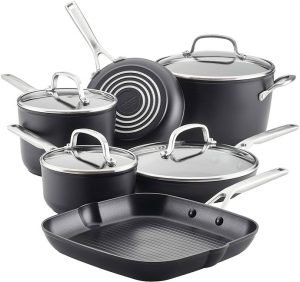
Match your pots and pans to your appliance type. Induction requires magnetic stainless steel or cast iron – test compatibility with a fridge magnet. For ceramic surfaces, avoid copper or aluminum that can leave permanent marks.
- Clean spills immediately with pH-neutral solutions
- Use soft cloths instead of abrasive pads on glass surfaces
- Check pan bottoms for warping to ensure even heating
Regular maintenance prevents damage and maintains efficiency. Wipe down appliances after each use, paying attention to heating elements. These steps help your kitchen tools last longer while protecting your home’s air quality.
Conclusion
Federal incentives are transforming how Americans equip their kitchens for safety and efficiency. New proposals aim to pair gas stoves with mandatory ventilation systems, while tax credits make induction models more accessible. These changes empower you to choose appliances that align with both cooking needs and air quality priorities.
Regulators may soon require pollution sensors and performance-tested range hoods for gas units. Meanwhile, the Inflation Reduction Act offers up to $840 rebates for induction cooktops in qualifying homes. Early-adopter states like California already enforce stricter standards for new constructions.
Your decisions today shape tomorrow’s kitchen environment. Whether maintaining current appliances or exploring alternatives, prioritize solutions that reduce airborne irritants. Proper ventilation remains essential—pair exhaust systems with air quality monitors for real-time feedback.
As technologies evolve, informed choices ensure your cooking space supports both culinary creativity and household well-being. The right balance of regulations, upgrades, and daily habits creates healthier homes without sacrificing performance.