Did you know water boils at 193.6°F at 10,000 feet elevation? That’s nearly 20°F cooler than at sea level. This dramatic shift in boiling temperatures reshapes how food cooks—and often frustrates home chefs unprepared for elevation’s hidden challenges.
Air pressure drops sharply as you climb higher. At 5,000 feet, atmospheric pressure falls to 12.28 psi compared to 14.7 psi at sea level. Lower pressure means faster evaporation and altered chemical reactions in baking. Bread dough might rise too quickly, then collapse. Cakes can turn dry or dense if recipes aren’t adjusted.
Moisture behaves unpredictably in thin mountain air. Soups simmer faster but reduce quicker. Cookies spread wider on baking sheets. Even pasta requires longer boiling times since water hits its vapor point sooner. Professional chefs increase liquid ingredients and reduce leavening agents to compensate.
Above 3,500 feet, most recipes need tweaks. Sugar crystallizes faster, while flour absorbs moisture differently. Understanding these science-driven changes helps you adapt cooking methods—whether baking sourdough in Denver or pressure-canning preserves in the Rockies.
Key Takeaways
- Atmospheric pressure decreases by 1 psi every 2,000 feet, altering cooking and baking processes
- Water boils 1°F cooler per 500-foot elevation gain, extending boiling times for foods like pasta
- Leavened goods often collapse at high elevations due to rapid gas expansion
- Moisture evaporates 25% faster above 5,000 feet, requiring increased liquid in recipes
- Most cooking adjustments become essential above 3,500 feet elevation
- Professional bakers reduce baking powder/soda by 15-25% for mountain recipes
Introduction to High Altitude Cooking
Cooking above 3,500 feet? Your kitchen’s rules just changed. This elevation marks where atmospheric pressure drops enough to alter basic food chemistry. Thin air becomes your silent kitchen partner, reshaping everything from boiling potatoes to proofing bread.

At this height, water reaches its vapor point faster—but paradoxically boils cooler. Soups take longer to soften carrots. Stews demand extra minutes to tenderize meat. “You’re not just adjusting recipes here,” says Colorado-based chef Elena Marquez. “You’re relearning how heat interacts with ingredients.”
Baking suffers most dramatically. Batters rise rapidly in low-pressure environments, then collapse as gases escape too quickly. Cookies spread into thin crisps instead of holding shape. Cakes develop crumbly textures unless you increase liquid content.
Three critical factors dominate high-altitude food prep:
- Extended cooking time for moist-heat dishes
- 25% faster moisture evaporation in baked goods
- Precise leavening agent reductions (15-25% less baking powder)
Sea-level recipes often fail above 5,000 feet without modifications. Pasta needs 30% longer boiling. Bread dough requires tighter hydration control. Through trial and error, mountain chefs master these invisible physics—turning kitchen disasters into elevation-adapted masterpieces.
How Altitude Affects Boiling and Cooking Times
Elevation transforms your stove’s capabilities in unexpected ways. Atmospheric pressure decreases as you climb, causing water to reach its vapor state faster while boiling at lower temperatures. This creates a double challenge: foods cook slower despite bubbling vigorously.
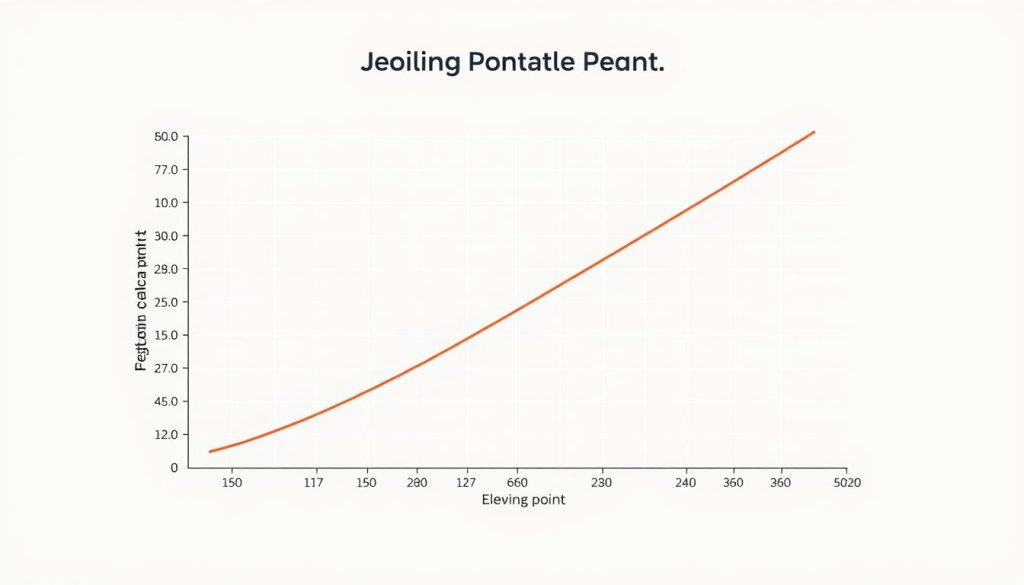
Changes in Boiling Points with Elevation
| Elevation (feet) | Boiling Point (°F) | Cooking Time Increase |
|---|---|---|
| 0 (sea level) | 212 | 0% |
| 2,000 | 208 | 10-15% |
| 5,000 | 203 | 25% |
| 10,000 | 194 | 40%+ |
Extended Cooking Durations at Higher Altitudes
At 5,000 feet, boiling water sits 9°F cooler than at sea level. This temperature gap forces longer simmering for meats and legumes. Braised dishes needing 2 hours at coastal elevations might require 2.5 hours in mountain towns.
Eggs demonstrate this shift clearly. A 3-minute soft boil becomes 5-6 minutes above 3,000 feet. Vegetables lose texture faster unless you reduce heat after reaching boiling point. Professional chefs recommend tasting doneness rather than relying on timers.
Three critical adjustments improve results:
- Increase simmering times by 2 minutes per 1,000 feet
- Use lids to retain heat in boiling water
- Add 1 tbsp liquid per cup for every 3,000 feet elevation
Understanding The Effect of Altitude on Cooking Times
Mountain kitchens operate under different physical laws. For every 1,000 feet gained, air pressure drops half a pound. This invisible shift transforms how heat interacts with ingredients—boiling water loses 1°F per 500-foot climb while moisture vanishes 25% faster.
Baking reveals these changes dramatically. Leavening gases expand too quickly at 5,000 feet—cake batters rise then collapse like deflated balloons. Bread dough might overflow pans before developing proper structure. “You’re fighting physics with every batch of cookies,” notes Denver pastry chef Marco Torres.
| Elevation | Baking Temp | Apple Bake Time |
|---|---|---|
| 3,500 ft | 350°F | 20 minutes |
| 10,000 ft | 350°F | 45 minutes |
Two forces collide at higher elevations: rapid evaporation demands extra liquid, while lower boiling points extend cooking durations. Soups reduce faster yet vegetables cook slower. Eggs need 50% more boiling time above 7,000 feet.
Successful adjustments require systematic changes. Increase oven temperatures 15-25°F for baked goods. Reduce baking powder by 1/4 teaspoon per teaspoon used. Add 1 tbsp water per cup of flour to combat dry mountain air.
Watch for these warning signs: cracked bread crusts, gummy cake centers, or simmering soups that vanish. Each signals your recipe needs elevation-specific tweaks. Master these adjustments, and thin air becomes your kitchen ally.
Adjusting Oven Temperatures and Cooking Techniques
Ever pulled a collapsed cake from a mountain cabin oven? Thin air demands smarter heat management. Baking above 3,500 feet requires precise temperature adjustments to combat rapid gas expansion and moisture loss.
Oven Temperature Increases for Consistent Results
Metal pans at 5,000 feet need 25°F hotter ovens than sea-level settings. This thermal boost helps batters solidify before collapsing. Glassware behaves differently—its slower heat transfer means keeping original temperatures.
| Pan Type | Elevation | Temp Adjustment | Baking Time Change |
|---|---|---|---|
| Metal | 3,500+ ft | +25°F | -5-8 min/hour |
| Glass | Any height | None | +3-5 min/hour |
Why the changes? Hotter ovens set flour’s protein structure faster. At 7,000 feet, gases in dough expand 30% quicker than at sea level. Without temperature increases, breads over-inflate then deflate.
Try this adjustment: Bake cookies at 375°F instead of 350°F above 4,000 feet. Reduce time by 2 minutes per dozen. Cakes need 1 extra tablespoon liquid per cup of flour to offset dry air.
Watch for these signs your oven needs recalibrating:
- Sunken centers in muffins
- Burnt edges with raw middles
- Bread crusts splitting prematurely
High Altitude Baking Adjustments
Baking at mountain elevations demands precision. Lower air pressure causes batters to rise faster while moisture escapes quicker. Successful recipes require calculated tweaks to temperatures, timing, and ingredient ratios.
Oven Temperature and Baking Time Modifications
Thin air accelerates chemical reactions. For every 1,000 feet above 3,500 feet:
| Elevation | Temp Increase | Time Reduction |
|---|---|---|
| 3,500-5,000 ft | +15°F | 5 min/hour |
| 5,001-7,000 ft | +25°F | 8 min/hour |
| 7,001+ ft | +35°F | 10 min/hour |
Hotter ovens stabilize gluten networks faster. This prevents cakes from collapsing after rapid rising. Metal pans work best with these adjustments—glass dishes require original temperatures.
Ingredient Ratio Guidance for Cakes and Breads
Balance three elements for reliable results:
- Flour: Add 2 tbsp per cup above 3,500 feet
- Sugar: Reduce 1 tbsp per cup to prevent crystallization
- Liquid: Increase 2 tbsp per cup to offset evaporation
Leavening agents need careful measurement. Use 1/8 tsp less baking powder per teaspoon in original recipes. These changes create denser crumb structures that withstand low-pressure environments.
Modifying Ingredients for High Elevation Recipes
Mastering mountain recipes requires precise ingredient tweaks most coastal cooks never consider. Air pressure changes alter how flour absorbs moisture, sugar caramelizes, and leaveners react. Your favorite sea-level formulas need strategic revisions to survive thin-air conditions.
Adjusting Leavening Agents for Optimal Rise
At higher elevations, leavening agents become overachievers. Reduce baking powder by ¼ teaspoon per teaspoon in original recipes. For yeast dough, cut proofing time 15% to prevent over-expansion. Cookies and cakes benefit from 1/8 tsp less soda per cup of flour.
Liquid and Sugar Adjustments for Better Texture
Add 2 tablespoons liquid per cup of flour to combat rapid evaporation. Reduce granulated sugar by 1 tbsp per cup to avoid crystallization. For every 3,000 feet above sea level, increase eggs by 5% to stabilize batters.
These modifications transform crumbly failures into moist baked goods. A Denver baker’s secret: replace 10% of water with milk for richer flavor. Remember—high-altitude cooking isn’t harder, just different. Precision turns elevation challenges into culinary advantages.