Did you know that 70% of homeowners prefer appliances that blend seamlessly with their cabinetry? A well-designed kitchen relies on harmony, and selecting the right dishwasher plays a crucial role. Whether you’re upgrading or installing a new unit, space, efficiency, and style matter.
Modern dishwashers offer more than just cleaning power. With advancements in noise reduction and water efficiency, today’s models save energy while fitting various layouts. From compact designs to full-size luxury units, options cater to every need.
Before making a decision, consider measurements, features, and long-term value. The average lifespan ranges from 8–15 years, so investing wisely ensures years of convenience.
Key Takeaways
- Kitchen layout directly affects dishwasher compatibility.
- 2024 trends focus on space-saving and quiet operation.
- Measurements, efficiency, and noise levels are critical factors.
- Prices vary from budget-friendly to high-end models.
- Most buyers prioritize matching appliances with cabinetry.
1. Measure Your Kitchen Space for the Perfect Fit
Finding the ideal fit starts with precise measurements. A mismatch in width or depth can lead to costly adjustments. Start by noting your available *space* and comparing it to standard specs.
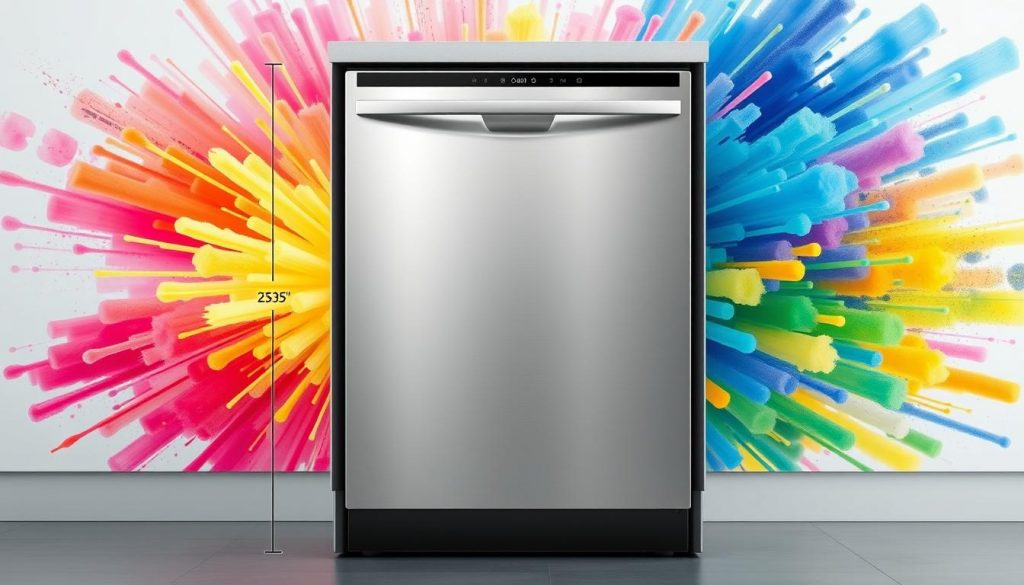
Standard vs. Compact Dishwasher Dimensions
Most full-size units, like *Bosch’s 800 Series*, measure *24 inches* wide and deep. Compact models, such as *Samsung’s 18-inch line*, suit smaller kitchens. Pro tip: Always verify depth—some countertops need extra clearance.
Built-in vs. Portable: Space Considerations
Built-in dishwashers integrate seamlessly, saving *15% more space* than portable ones. They’re ideal for permanent setups but require professional installation ($150–$200). Portable units offer flexibility but eat into walkways.
Adjusting for Cabinetry and Door Clearance
*Whirlpool’s* adjustable legs compensate for uneven floors, while *IKEA’s hidden controls* need *2 inches* of top clearance. Watch for door swings—*LG’s models* require *32 inches* of open space. KitchenAid’s flush kits ensure a sleek finish.
2. Prioritize Energy and Water Efficiency
Efficiency isn’t just about saving money—it’s about sustainability. Modern dishwashers blend performance with eco-friendly tech, reducing waste without compromising results. Look for certifications like ENERGY STAR and innovations that trim utility bills.
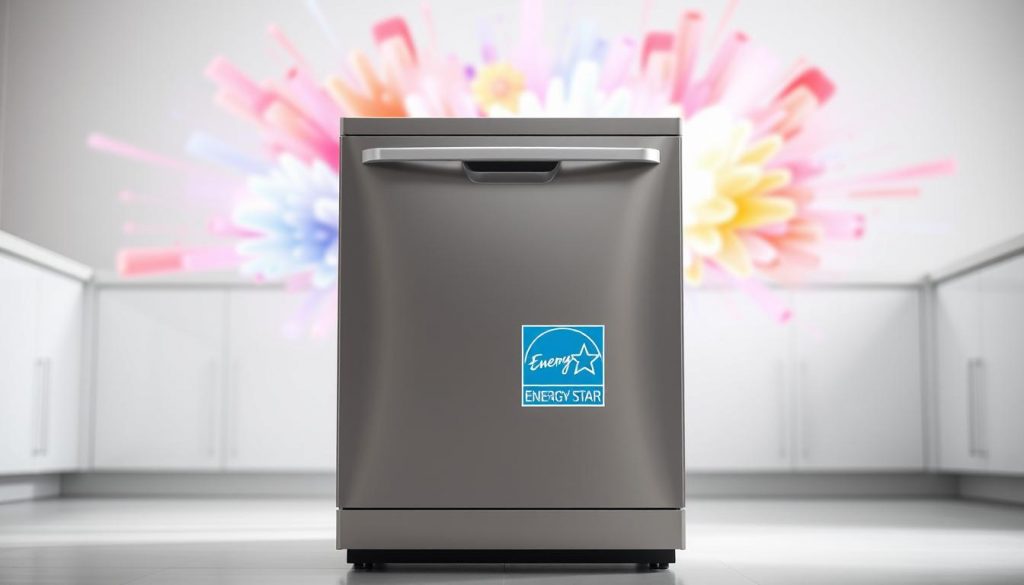
Decoding Efficiency Certifications
ENERGY STAR models use ≤3.5 gallons per cycle, while CR Green Choice adds a ≤1 kWh energy cap. GE’s 2.8-gallon cycles outperform Maytag’s 4-gallon units, saving 30% more water. Non-certified dishwashers? They guzzle 6+ gallons—avoid them.
Smart Water and Energy Use
Bosch’s Benchmark line uses just 2.9 gallons, thanks to soil sensors that cut waste by 25%. Miele’s AutoDos tech slashes detergent use by 30%, saving $55 yearly. For hygiene, Café’s steam-sanitize cycle removes 99.9% of bacteria.
Tax Rebates and Long-Term Savings
Star certified appliances often qualify for rebates. For example, ENERGY STAR models may net $50–$100 in tax credits. Over a decade, efficient dishwashers save 12,000+ gallons of water—enough to fill a small pool.
3. Evaluate Noise Levels for a Quieter Kitchen
A quiet kitchen starts with the right dishwasher. Decibels (dB) measure sound intensity—lower numbers mean quieter operation. For reference, 45 dB matches a library conversation, while 50+ dB becomes distracting.
Decibel Ratings Explained
Under 45 dB is ideal for open-concept homes. Brands like Miele and Bosch lead with models as low as 38 dB. Compare these popular options:
| Model | Noise Level | Notable Feature |
|---|---|---|
| Miele G7566 | 38 dB | AutoDos detergent system |
| KitchenAid ADA | 39 dB | Stainless steel tub |
| Bosch 800 Series | 44 dB | EcoSilence Drive |
Quietest Models (Under 45 dB)
Stainless steel interiors cut noise by 20% versus plastic. Top 2024 picks:
- Café’s Steam Assist (42 dB) – Third rack for utensils
- Thermador Star-Sapphire (40 dB) – Anti-vibration motor mounts
- Fisher & Paykel DishDrawer (43 dB) – Insulated panels
“Plastic tubs exceed 50 dB—avoid them if silence is a priority.”
Soundproofing Features
Upgrades like foam insulation ($75–$150) dampen vibrations. LG’s 49 dB model benefits from added padding, while Bosch’s EcoSilence tech eliminates motor hum. For DIY fixes, adhesive strips on cabinet walls reduce rattling.
4. Compare Dishwasher Types for Your Needs
Not all dishwashers fit every kitchen—knowing the differences saves time and money. Explore three main types: built-in, portable, and drawer-style. Each offers unique benefits, from seamless integration to compact flexibility.
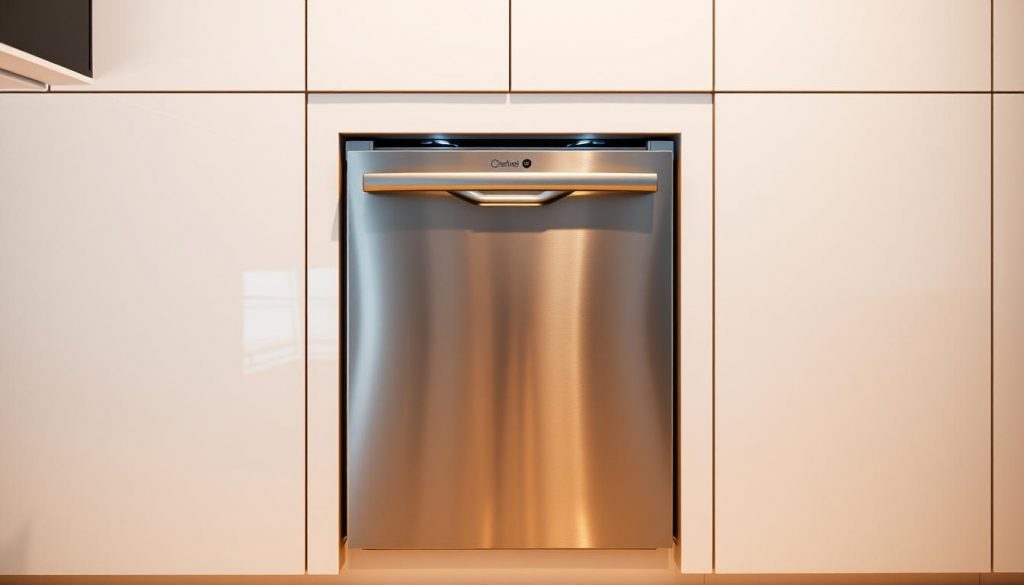
Built-in Dishwashers: Pros and Cons
Built-in dishwashers blend with cabinetry for a polished look. Prices range from $400 (IKEA budget models) to $3,400 (Bosch 800 Series). Key advantages:
- Space-saving: 15% more efficient than portable units.
- Quiet operation: Often under 45 dB, like KitchenAid’s 39 dB model.
- Higher capacity: Fits 16 place settings vs. 8 in portables.
Drawbacks? Installation costs ($150–$200) and permanent placement. Frigidaire’s built-in line outperforms Danby portables in noise and capacity.
Portable and Countertop Options
Portable dishwashers (18″W x 24″D) suit renters or small kitchens. Miele’s plumbed hybrids offer countertop convenience without sacrificing power. Watch out for:
- Drainage: Requires a nearby sink hookup.
- Mobility: Wheels help, but units still occupy floor space.
“Portables need careful drainage planning—avoid long hoses that can kink.”
Drawer-Style and Smart Dishwashers
Fisher & Paykel’s double-drawer model saves 40% space and runs half-loads efficiently ($1,250–$2,500). Smart features add $300+ but offer:
- Remote control: Samsung’s SmartThings app adjusts cycles.
- ENERGY STAR certified modes: Reduce water use by 30%.
For tech lovers, WiFi-enabled alerts prevent forgotten loads.
5. Must-Have Dishwasher Features for Your Layout
Smart features and durable materials define today’s top-performing dishwashers. Whether you host frequent dinners or prioritize quick cleanups, the right upgrades save time and energy. Focus on flexibility, hygiene, and longevity to maximize value.
Adjustable Racks and Fold-Down Tines
Customizable layouts prevent wasted space. Bosch’s RackMatic system offers nine height positions, fitting tall pots and delicate glasses. Whirlpool’s fold-down tines secure odd-shaped items like mixing bowls.
For small kitchens, Maytag’s collapsible racks create room for platters. Pro tip: Test adjustable tiers in-store—some models limit movement when fully loaded.
Third Racks and Specialty Jets
A third rack adds 30% more capacity, ideal for utensils and lids. GE’s bottle jet technology targets baby bottles with precision, while LG’s QuadWash™ four-arm system scrubs every angle.
KitchenAid’s ProDry® combines a fan-assisted dry cycle with heated rinses. This reduces spotting by 40% compared to standard models.
Stainless Steel vs. Plastic Interiors
Stainless steel tubs last twice as long as plastic, resist odors, and dampen noise. Café’s brushed-metal interiors complement modern kitchens, while Samsung’s antimicrobial coating fights bacteria.
Budget-friendly plastic models (like Danby’s line) stain easily and warp under high heat. CR surveys rank stainless steel as a top feature for 78% of buyers.
| Feature | Best For | Top Models |
|---|---|---|
| Adjustable racks | Versatile loading | Bosch 800 Series |
| Third rack | Utensil storage | LG LDFN4542D |
| Stainless tub | Durability | Café CDW700P2 |
| Smart controls | Remote monitoring | Samsung DW80R9950 |
“Stainless steel interiors outperform plastic in noise reduction, longevity, and resale value.”
Prioritize these five features per CR’s 2024 guide: adjustable racks, soil sensors, quiet operation (under 45 dB), third racks, and stainless tubs. Pair them with your kitchen’s workflow for a seamless fit.
Conclusion
Picking the best dishwasher comes down to balancing multiple factors. Measure carefully, prioritize efficiency, and consider noise levels for a seamless fit. Your kitchen deserves a model that matches its workflow.
Top 2024 picks include Bosch’s 800 Series for quiet operation and LG’s QuadWash for tough stains. Need guidance? DeWaard & Bode offers expert consultations to match your needs.
Explore Synchrony HOME™ financing for flexible payment options. Regular maintenance—like cleaning filters monthly—extends appliance life. Many retailers offer 30-day price guarantees, so shop with confidence.
Ready to upgrade? Now’s the perfect time to invest in a reliable, high-performing unit. Make sure it aligns with your space and habits for years of hassle-free cleaning.