Did you know that 73% of homemade dressings fail to balance acidity properly, leading to bland flavors or digestive discomfort? The secret to a perfect vinaigrette or creamy emulsion lies in understanding the chemistry behind your ingredients. Every time you whisk oil and vinegar, you’re not just mixing flavors—you’re orchestrating a delicate dance between opposing forces.
Tangy components like lemon juice or apple cider vinegar interact with fats and alkaline elements to create harmony on your plate. These reactions don’t just affect taste—they influence how your body absorbs nutrients from leafy greens and vegetables. A well-crafted mixture can boost vitamin absorption by up to 40%, according to recent nutrition studies.
The stability of your favorite recipes depends on pH levels and emulsification. When liquids bind properly, they create textures that cling to vegetables instead of pooling at the bowl’s bottom. This process also impacts food safety, as balanced acidity prevents bacterial growth in stored mixtures.
By mastering these principles, you’ll transform ordinary combinations into restaurant-quality creations. Experimenting with ratios and ingredients unlocks endless possibilities while keeping meals nutritious and satisfying.
Key Takeaways
- Chemical reactions between ingredients determine flavor quality and texture
- Proper pH balance enhances nutrient absorption from vegetables
- Emulsification science creates stable, evenly distributed mixtures
- Ingredient combinations affect both taste and food safety
- Experimentation leads to personalized, health-conscious recipes
Understanding the Science Behind Salad Dressings
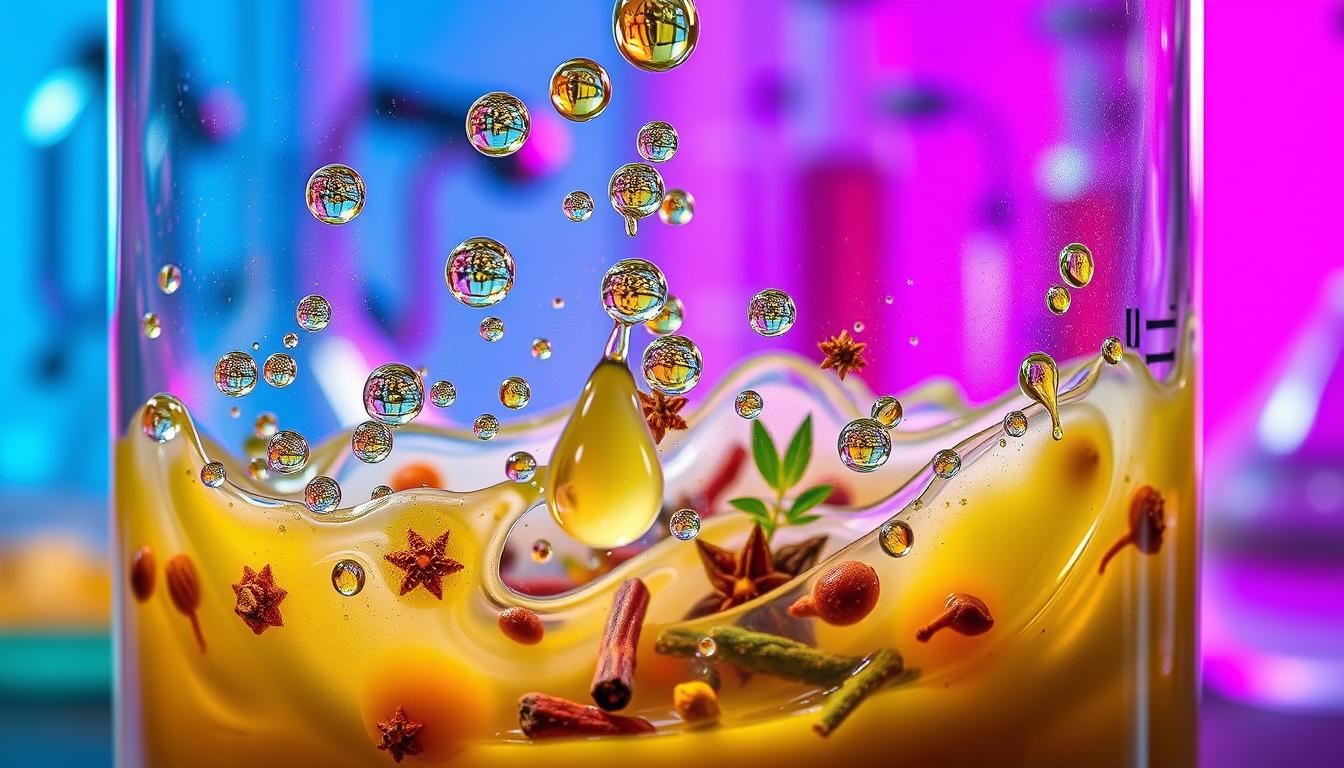
Ever wonder why oil and vinegar resist mixing until you add certain ingredients? This kitchen phenomenon occurs because fat-based liquids and water-based components naturally repel each other. Emulsification bridges this divide through scientific principles you can harness in your recipes.

The Emulsification Process
Emulsifiers like mustard or egg yolk contain molecules with dual properties. Their water-loving ends grab vinegar while oil-loving parts clutch fat molecules. This creates stable bonds that prevent separation for hours.
Temperature and mixing order affect results. Cold ingredients blend slower, while adding oil gradually helps droplets disperse evenly. High-speed blenders create tighter bonds than hand whisking.
Importance of Balancing Oil and Acid
The classic 3:1 oil-to-acid ratio delivers balanced flavor without overwhelming sharpness. For zestier results, try 2:1 proportions. Thicker oils like avocado need more acid than lighter olive varieties.
Proper ratios ensure even coating on greens. Broken mixtures leave lettuce greasy while acidic components sink. Well-emulsified dressings cling to textures from delicate butter lettuce to hearty kale.
Experiment with different combinations using these principles. Your taste buds—and salad bowl—will reward the effort.
Acid vs. Base: What’s Happening in Your Salad Dressing?
Sharpness defines great dressings more than any other element. While oils carry nutrients, it’s the zing from acidic components that awakens vegetables’ natural flavors. These liquid catalysts transform simple greens into vibrant meals through chemical magic.

Exploring the Role of Acid in Flavor
Citrus juices and fermented liquids like balsamic create layered tastes beyond basic tartness. Aged vinegars develop caramel notes, while lemon adds grassy undertones. Each option interacts uniquely with fats and greens.
| Type | pH Level | Flavor Profile | Key Benefit |
|---|---|---|---|
| Balsamic Vinegar | 2.5-3 | Sweet, woody | Enhances iron absorption |
| Apple Cider | 2.8-3 | Fruity, sharp | Supports digestion |
| Lemon Juice | 2-2.6 | Bright, clean | High in vitamin C |
Balance matters most. Too much acidity overwhelms delicate greens, while too little leaves dressings flat. Start with 1 tablespoon of vinegar or citrus per 3 tablespoons oil, adjusting to preference.
Natural acids act as preservatives, keeping homemade blends fresh for up to two weeks. They also break down plant cell walls, releasing more nutrients from vegetables. Your body absorbs 30% more antioxidants from dressed salads versus plain ones.
Experiment with combinations: try rice vinegar with lime for Asian slaws, or mix orange juice with champagne vinegar for citrus blends. The right acid elevates every bite while boosting nutritional value.
Homemade vs. Store-Bought Salad Dressings
Your favorite bottled dressing might be sabotaging your salad’s nutritional value. While convenient, many commercial versions contain hidden additives that turn healthy meals into calorie traps.

Ingredient Quality and Health Benefits
Store-bought options frequently use low-quality oils and inflammatory additives. A typical bottle contains 3-5 grams of sugar per serving—often from corn syrup or artificial sweeteners. Preservatives like potassium sorbate extend shelf life but offer no nutritional benefits.
| Aspect | Store-Bought | Homemade |
|---|---|---|
| Ingredients | 6-15 additives | 3-5 fresh items |
| Sugar Content | 3-5g/serving | 0-2g/serving |
| Preservatives | Common | None |
| Cost Per Ounce | $0.75-$1.50 | $0.20-$0.40 |
Creating homemade salad dressing lets you choose cold-pressed oils and organic acids. You eliminate unnecessary sodium while boosting antioxidant levels. “Fresh mixtures retain 40% more nutrients than processed alternatives,” notes culinary nutritionist Dr. Elena Martinez.
Basic recipes require just oil, vinegar, and seasonings. Whisking takes less time than reading a dressing label at the store. Customize flavors with garlic, herbs, or citrus zest—options most brands don’t offer.
Your salad becomes truly yours when you control the ingredients. Start with olive oil and balsamic, then experiment with tahini or yogurt bases. Each batch costs less than premium bottled versions while delivering superior taste and health benefits.
Techniques to Create a Perfect Emulsion
Mastering emulsion techniques turns kitchen basics into culinary magic. Your choice of tools determines texture, stability, and preparation speed. Let’s explore methods that transform separated liquids into velvety mixtures.

Whisking and Blending Methods
The bowl method remains unmatched for precision. Whisk acidic components first, then drizzle oil slowly. This gradual approach lets you adjust thickness while preventing broken dressings. Professional chefs swear by this technique—“You taste the emulsion forming,” says James Beard Award winner Marcus Samuelsson.
For thicker results, use a blender. Add all ingredients together and pulse for 30 seconds. High-speed blades create micro-droplets that resist separation for days. This works best for creamy bases like tahini or avocado oil dressings.
Jar Shaking and Food Processor Options
Grab a glass jar when time matters. Combine ingredients together, seal tightly, and shake vigorously for 60 seconds. The container doubles as storage—no extra dishes required. Perfect for herby vinaigrettes needing minimal cleanup.
Food processors excel at emulsifying chunky add-ins. Pulse garlic or nuts first, then stream in liquids. Variable speeds let you control texture from silky to rustic. Unlike blenders, these units handle small batches without wasting ingredients.
| Method | Tools | Time | Best For |
|---|---|---|---|
| Manual Control | Bowl + Whisk | 3-5 minutes | Delicate herb infusions |
| Power Blending | Blender | 30 seconds | Creamy textures |
| Portable Mixing | Glass Jar | 1 minute | Quick citrus dressings |
| Versatile Processing | Food Processor | 2 minutes | Chunky nut-based recipes |
Each way of mixing offers unique advantages. Match your technique to the dressing style and available equipment. Your greens deserve better than store-bought gloop—craft emulsions that elevate every bite.
Incorporating Healthy Fats and Alkaline Options
The right fats transform your salad from basic to nutrient-packed. Quality oils and alkaline ingredients work together to unlock vitamins while balancing flavors. Your choice here determines whether those leafy greens become nutritional powerhouses or just roughage.
Choosing the Right Oils for Your Dressing
Extra-virgin olive oil leads the pack with its heart-healthy monounsaturated fats. Cold-pressed varieties retain antioxidants that combat inflammation. Its peppery finish enhances Mediterranean-style mixes without overpowering delicate greens.
Avocado oil offers versatility with a neutral taste and high smoke point. Ideal for creamy emulsions, it blends seamlessly with citrus or herbs. This oil delivers the same beneficial fats as olive varieties but works better in bold flavor combinations.
For oil-free options, try mashed avocado as your base. Blend it with lime juice and cilantro for a zesty alkaline dressing. The creamy texture mimics ranch while providing fiber and potassium missing from traditional recipes.
| Fat Source | Key Benefit | Best Pairings |
|---|---|---|
| Extra-Virgin Olive | High in antioxidants | Balsamic, garlic, basil |
| Avocado Oil | Neutral flavor | Citrus, chili, mint |
| Tahini | Alkaline balance | Lemon, cumin, parsley |
Tahini creates rich dressings that counterbalance acidic components naturally. Mix it with roasted garlic and water for a smooth consistency. This sesame paste adds calcium and magnesium while keeping pH levels stable.
Nuts and seeds offer whole-food alternatives to liquid oils. Soak almonds overnight, then blend with nutritional yeast for a cheesy vegan option. These choices prove you don’t need bottled dressings to enjoy flavorful, nutrient-rich salads.
Creative Variations for Every Salad
Transform ordinary greens into culinary masterpieces through strategic ingredient pairings. Customization unlocks endless possibilities while boosting nutritional value—your bowl becomes a canvas for balanced flavor experimentation.
Flavor Enhancers: Mustard, Garlic, and Herbs
Dijon mustard adds depth with its sharp tang and emulsifying power. Combine it with minced garlic for robust dressings that cling to kale or spinach. Fresh basil or thyme brightens mixtures, while dried herbs like oregano intensify Mediterranean-inspired blends.
Roasted garlic mellows harsh acidity in lemon-based recipes. For herb-forward options, blend parsley and chives with olive oil. These flavor enhancers work synergistically—tarragon elevates honey-mustard combinations, while cilantro amplifies lime-infused dressings.
Sweet and Tangy Additions for Extra Zest
Balance sharpness with mashed berries or citrus zest. Pomegranate molasses adds fruity complexity, while apple slices lend subtle sweetness. Drizzle flavor-packed options over bitter greens like arugula to soften their bite.
Experiment with texture: toasted sesame seeds add crunch to ginger-soy dressings. Pureed roasted red peppers create velvety bases without excess oil. Your taste preferences guide the journey—each tweak refines your signature style.
Remember: quality ingredients determine success. Fresh garlic outperforms powdered versions, and vibrant herbs elevate simple vinaigrettes. Start small—a teaspoon of dijon mustard or orange zest can redefine your taste experience.