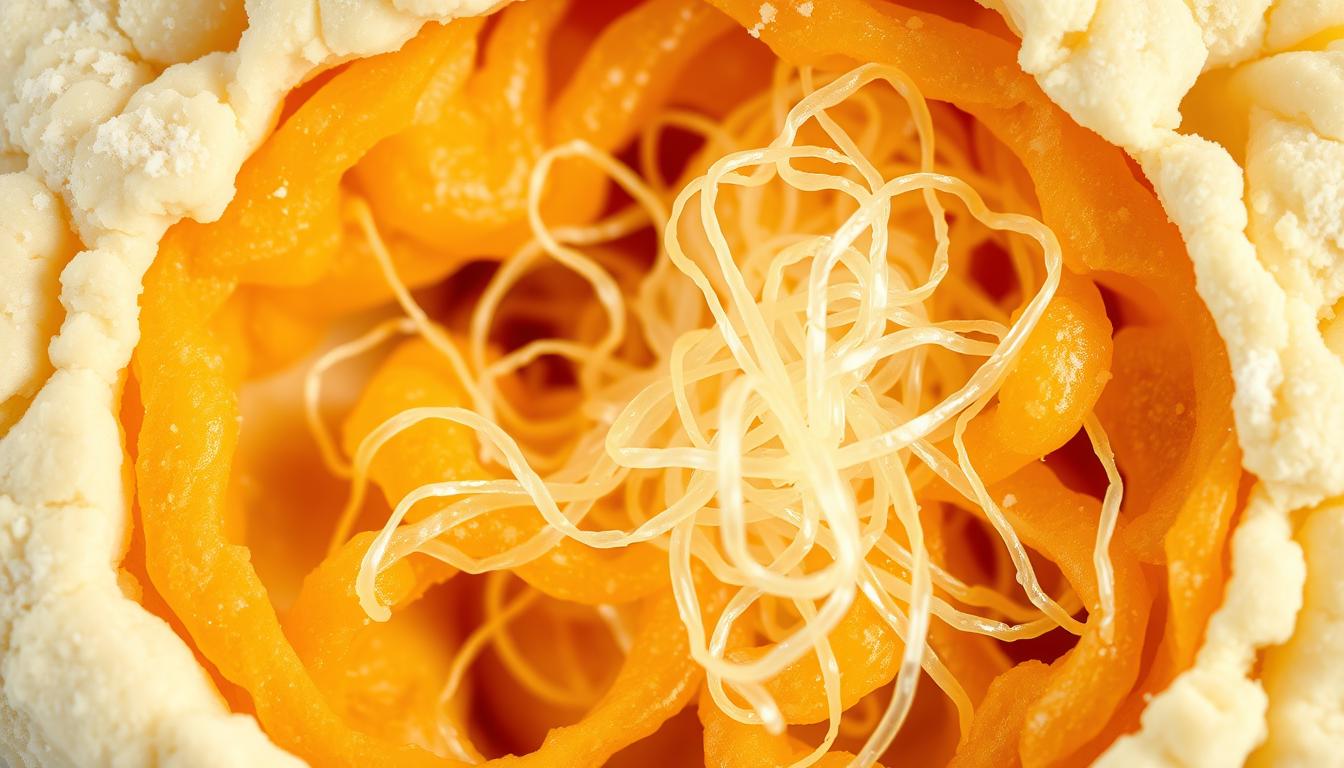
One teaspoon of wheat flour contains enough protein to stretch over three miles when fully developed into gluten. This invisible network determines whether your bread rises like a cloud or crumbles like sand. Gluten’s elastic structure acts as nature’s blueprint, shaping textures from airy croissants to dense sourdough through a simple mix of flour and water.
When you combine flour with liquid, two proteins—glutenin and gliadin—link like microscopic springs. This creates a stretchy mesh that traps gas bubbles during fermentation. The more you knead, the stronger this web becomes, giving artisan bread its signature chew. But delicate pastries demand minimal mixing to prevent toughness.
Bakers walk a tightrope with gluten development. Overwork it, and cakes turn rubbery. Underdevelop it, and cookies spread flat. Mastering this balance lets you control outcomes: foldable pie crusts, crackly baguettes, or tender muffins. Your technique directly shapes gluten’s behavior, making it the silent partner in every recipe.
Key Takeaways
- Gluten forms when flour proteins bond with water, creating an elastic structure
- Kneading intensity directly impacts dough’s ability to rise and hold shape
- Proper gluten development traps gas bubbles for light, airy textures
- Different baked goods require specific gluten management strategies
- Overmixing can create tough results, while undermixing leads to collapse
- Flour selection affects gluten potential due to varying protein content
Understanding Gluten: Composition and Formation
Many assume gluten exists naturally in flour, but it only forms when liquid meets dry ingredients. That unassuming bag of wheat flour holds two hidden players—glutenin and gliadin—waiting to combine into the elastic powerhouse bakers rely on.

What Is Gluten?
Mix water with wheat flour, and a chemical dance begins. Glutenin proteins twist into elastic coils, while gliadins act like sticky glue. Together, they create a stretchy network that gives dough its unique character. This reaction explains why rice or oat flours lack the same structural magic.
Glutenin and Gliadin: The Building Blocks
Glutenin works like a spring—it helps dough bounce back when stretched. Gliadin provides flexibility, letting you shape bread without tearing. Hard wheat flours have more glutenin for chewy baguettes, while pastry flour’s higher gliadin content creates tender pie crusts.
Wheat’s protein ratio makes it superior for baking. Barley and rye contain similar proteins but can’t match wheat’s perfect balance. This explains why blending flours alters texture—you’re changing the gluten team’s lineup.
The Role of Gluten in Dough Strength

Picture gluten as nature’s scaffolding. When yeast releases carbon dioxide, this protein matrix catches bubbles like invisible hands shaping balloons. Each knead strengthens these microscopic pockets, creating the framework for oven spring and crumb structure.
Elasticity meets endurance in well-developed dough. The gluten web stretches thin around expanding gas yet resists rupture. Professional bakers call this balance “oven tolerance” – the sweet spot where rising loaves hold their form without bursting.
Impact on Dough Structure and Air Retention
Underdeveloped gluten spells disaster. Weak networks leak gas like deflating tires, resulting in dense muffins or sunken cakes. One failed focaccia batch often traces back to rushed mixing – the dough never builds enough strength to trap fermentation bubbles.
Perfect pizza crusts demonstrate gluten’s magic. During baking, the network hardens around steam pockets, creating those coveted airy holes. “Gluten isn’t just protein – it’s the blueprint for texture,” notes award-winning baker Elena Cortez. This transformation explains why baguettes crackle while sandwich bread stays tender.
Your mixing technique directly controls gas retention. Fold sourdough gently to preserve delicate bubbles. Beat batter briefly to limit network formation. Master these nuances, and your baked goods gain structural integrity without sacrificing moisture or mouthfeel.
Gluten Development in Bread, Cake, and Pastry
Your mixing bowl becomes a protein playground where gluten strategies determine outcomes. Bread demands muscle, cakes crave restraint, and pastries walk the tightrope between structure and tenderness. Master these contrasting approaches to transform simple ingredients into textural masterpieces.

Gluten in Yeast-Leavened Breads
Kneading bread dough feels like training an athlete. Each fold aligns gluten strands, building strength to hoist rising gas. Professional bakers use the windowpane test – stretching dough thin enough to see light through – to confirm proper development.
Fermentation doubles the challenge. Active yeast pushes against the gluten network, requiring endurance. “Bread flour’s high protein content creates scaffolding that lasts through final proofing,” explains James Beard Award winner Marcus Keller. This resilience gives sourdough its open crumb and baguettes their crackling crust.
Minimizing Gluten for Tender Baked Goods
Cake batters demand opposite treatment. Overmixing awakens gluten’s toughness, turning velvet textures into rubber. Stop stirring when streaks of flour disappear – residual lumps dissolve during baking without overdeveloping the protein matrix.
| Technique | Bread | Cake | Pastry |
|---|---|---|---|
| Mixing Time | 10-15 mins | 1-2 mins | 3-5 mins |
| Flour Protein | 12-14% | 7-9% | 9-11% |
| Key Texture | Chewy | Soft | Flaky |
Pastry chefs use fat as a gluten inhibitor. Butter coats flour proteins, limiting water absorption. This creates delicate layers in croissants while maintaining enough structure to hold fillings. For pie crusts, visible butter chunks ensure tender flakes alongside crisp edges.
Your hands reveal more than timers. Bread dough should resist poking, springing back slowly. Cookie dough stays shaggy – smoothness signals overworked gluten. Match tactile feedback to desired results, and your baked goods will consistently hit textural perfection.
Factors Affecting Gluten Potential and Protein Content
Your flour choice acts as a blueprint for gluten’s capabilities. Protein percentages printed on bags aren’t just numbers—they’re your roadmap to predicting dough behavior before mixing begins.

Flour Types and Protein Levels
Bread flour’s 12.7% protein content creates sturdy networks for crusty loaves, while cake flour’s 10% yields tender crumbs. All-purpose strikes balance at 11.7%, adapting to cookies and sandwich breads. Higher protein content means more gluten-forming material, but only if properly activated.
| Flour Type | Protein % | Best Uses |
|---|---|---|
| Bread | 12.7 | Chewy crusts, sourdough |
| All-Purpose | 11.7 | Cookies, quick breads |
| Cake | 10.0 | Tender cakes, pastries |
Role of Hydration and Rest in Gluten Development
Water acts as the conductor in this protein orchestra. Below 55% hydration, flour can’t fully hydrate—like trying to grow plants in dry soil. Proper moisture activates enzymes that break down starches, feeding fermentation.
Rest periods let proteins unwind and bond naturally. “Thirty minutes of autolyse transforms shaggy dough into smooth elastic,” notes professional baker Claire Tanaka. This waiting game allows gluten networks to self-organize before mechanical development.
Adjust recipes by watching dough response rather than strict timers. High-protein blends need extra hydration, while delicate mixes require gentle handling. Master these variables, and you control gluten’s invisible architecture.
Techniques to Optimize Gluten Development
Your hands hold more power than you realize in shaping gluten networks. Mechanical action directly influences how proteins bond, creating textures ranging from chewy bagels to flaky pie crusts. Two factors dominate this transformation: kneading intensity and mixing strategy.
Kneading Methods and Their Effects
Traditional hand kneading builds strength through repetitive folding, while stretch-and-fold techniques gently align proteins. Test readiness by stretching dough thin enough to see light – the windowpane test reveals developed elasticity. No-knead recipes prove time replaces muscle: 18-hour fermentation lets enzymes naturally strengthen bonds.
Agitation and Mixing Strategies
Mixers with dough hooks accelerate gluten formation but risk overworking delicate batters. For muffins, stir until just combined – visible flour specks disappear during baking. Artisan breads demand vigorous kneading to create gas-trapping networks. Recognize over-kneaded dough by its sticky, slack texture that tears easily.
Adjust your approach based on desired outcomes:
- Use slap-and-fold methods for high-hydration sourdough
- Fold laminated pastry dough precisely six times
- Mix cookie dough until shaggy – never smooth
Professional baker Diego Marquez notes: “Gluten responds like muscle – train it with purpose.” Monitor dough springback and surface tension to gauge development. Proper technique ensures optimal structure without compromising tenderness.
Innovative Tips for Kneading and Mixing for Optimal Texture
Mastering gluten requires both science and intuition. Professional bakers employ time-tested methods that transform ordinary dough into structured masterpieces. Let’s explore techniques that balance strength with tenderness.
Practical Baking Examples from Industry Experts
Ellen King’s “pillow test” reveals proper gluten development – dough should feel supple yet resilient. Try her autolyse method: mix flour and water first, then rest 30 minutes. This pre-kneading pause lets proteins hydrate fully, creating stronger networks with less effort.
For pasta dough, Evan Funke recommends kneading until it resists finger pressure. This develops extensibility for thin sheets that hold shape without tearing. Rest dough 20 minutes afterward – gluten relaxes, making rolling smoother.
Use stretch-and-fold techniques for sourdough. Every 30 minutes during bulk fermentation, gently pull and fold edges toward the center. This builds structure without overworking, preventing rubbery textures in the final product. Monitor hydration levels closely – wetter doughs need fewer folds.
Control results through intentional mixing. Fold laminated pastry dough precisely six times for flaky layers. Stop kneading cookie dough while it’s still shaggy – residual flour absorbs during baking. Your hands learn to recognize when networks reach optimal development through practice.