The average American consumes over 3,400 milligrams of sodium daily—nearly 50% more than recommended. This mineral’s universal presence in meals isn’t accidental. Those tiny crystals you sprinkle on dishes do far more than add a salty kick. They’re the unsung heroes of flavor engineering.
Sodium chloride, the compound behind table salt, interacts with your taste buds in surprising ways. Its molecules don’t just trigger salty sensations—they amplify sweetness, mute bitterness, and unlock hidden flavors. Ancient civilizations traded it like currency, while modern chefs treat it as their secret weapon.
Your body craves this mineral for critical functions like nerve signaling and fluid balance. This biological need explains why your brain rewards you with pleasure when you eat salted foods. But there’s a catch: too much overwhelms delicate flavors, while too little leaves dishes tasting flat.
Key Takeaways
- Salt enhances multiple flavor profiles simultaneously through chemical interactions
- The human body requires sodium for essential physiological processes
- Proper seasoning balances and intensifies other ingredients’ natural tastes
- Salt’s crystal structure determines how quickly it dissolves and affects food
- Historical value stems from both preservation needs and flavor enhancement
- Modern cooking techniques leverage salt’s scientific properties creatively
From farm-to-table restaurants to home kitchens, understanding these principles transforms ordinary meals into extraordinary experiences. The journey through salt’s scientific magic reveals why this humble mineral remains indispensable across cultures and cuisines.
The Science Behind Salt and Flavor
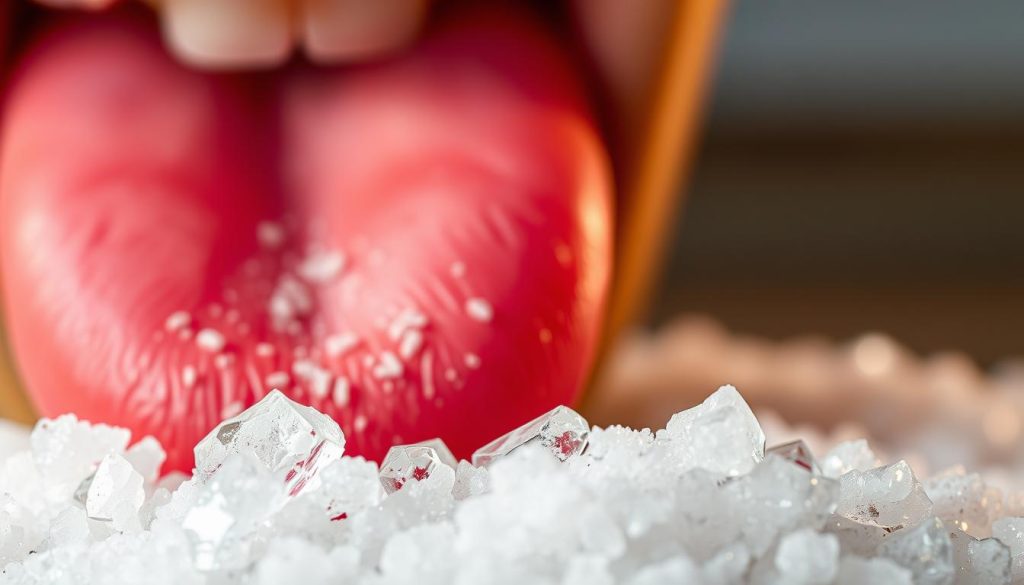
Every bite you take is a complex dance of chemistry and biology. Your taste buds—those microscopic sensors on your tongue—act like translators, converting chemical signals into recognizable flavors. When sodium ions from salt dissolve in saliva, they spark electrical impulses that travel to your brain within milliseconds.
Understanding Taste Bud Activation
Specialized receptors in your mouth respond specifically to sodium chloride. These cells don’t just detect saltiness—they amplify neighboring flavors. As one food scientist notes:
“Salt doesn’t merely season; it rewires how your brain perceives sweetness and savoriness.”
The process begins when salt crystals break down, releasing ions that penetrate taste cell membranes. This triggers a chain reaction, sending signals through neural pathways to create layered flavor experiences.
Enhancing Sweetness and Umami
Here’s where the magic happens: salt reduces bitterness by blocking specific receptors while boosting umami compounds in foods like Parmesan cheese or soy sauce. A pinch in cookie dough makes chocolate taste richer by muting bitter cocoa notes.
Your buds also detect savory flavors more intensely when salt interacts with glutamate molecules. This explains why tomatoes burst with flavor when seasoned—the sodium ions amplify their natural sweetness and depth simultaneously.
Exploring Salt’s Role in Suppressing Bitterness
Ever wondered why bitter greens suddenly become enjoyable with proper seasoning? That harsh edge in your morning coffee or dark chocolate melts into complexity when paired with sodium crystals. This transformation isn’t magic—it’s molecular science at work.
How Salt Reduces Unwanted Bitter Notes
Your tongue contains specialized receptors that detect bitter compounds. When sodium ions from salt arrive, they block these sensors like a key jamming a lock. This action lets sweetness and savory notes shine through naturally bitter foods.
Consider Brussels sprouts: their sulfurophane compounds create sharp flavors. A sprinkle of salt doesn’t eliminate bitterness—it rebalances your perception. As chef Thomas Keller observes:
“Seasoning isn’t about dominance. It’s about creating harmony between opposing elements.”
| Food | Bitter Compound | Salt’s Effect |
|---|---|---|
| Dark Chocolate | Theobromine | Enhances cocoa richness |
| Kale | Glucosinolates | Boosts natural sweetness |
| Grapefruit | Naringin | Reduces acidic sharpness |
This combination of blocking and enhancing explains why salted caramel became a modern classic. The sodium ions in salt compete with bitter molecules at receptor sites, muting harshness while amplifying complementary flavors.
Your genetic makeup influences bitterness sensitivity, but sodium chloride offers a universal way to customize taste experiences. Next time you encounter challenging ingredients, remember: a pinch might reveal hidden dimensions you never knew existed.
Flavor Amplification: Salt as a Taste Enhancer
Imagine your favorite dish missing one key ingredient—chances are, it’s salt. This mineral acts like a backstage crew member, quietly elevating every element of your meal. Beyond basic seasoning, it transforms how your senses perceive aroma and texture.
The Impact on Aroma and Mouthfeel
Salt works like a molecular key, unlocking trapped aromas in your food. When added to a simmering sauce, it increases volatility—making fragrant compounds rise faster to your nose. Food scientist Dr. Linda Bartoshuk explains:
“Seasoned dishes release 40% more aroma molecules than unsalted versions, creating layered sensory experiences.”
Your mouthfeel experience changes too. In baked goods, salt tightens gluten networks for chewier bread. On meats, it draws moisture to surfaces for crispy textures while keeping interiors tender.
| Food Item | Aroma Enhancement | Texture Change |
|---|---|---|
| Fresh Bread | Boosts yeasty notes | Creates chewy crust |
| Pan-Seared Steak | Amplifies charred aroma | Forms crispy surface |
| Vegetable Soup | Highlights herbal notes | Balances velvety consistency |
| Dark Chocolate | Releases cocoa richness | Smoother melt |
The effect extends beyond individual ingredients. In stews and sauces, salt binds disparate flavors into cohesive profiles. Your taste buds detect harmony rather than competing elements.
Chefs leverage this dual impact strategically. A pinch in chocolate desserts mutes bitterness while enhancing floral notes. In brined meats, it creates contrasting textures that delight your mouth with every bite.
Why Salt Makes Food Taste Better: It’s Science!
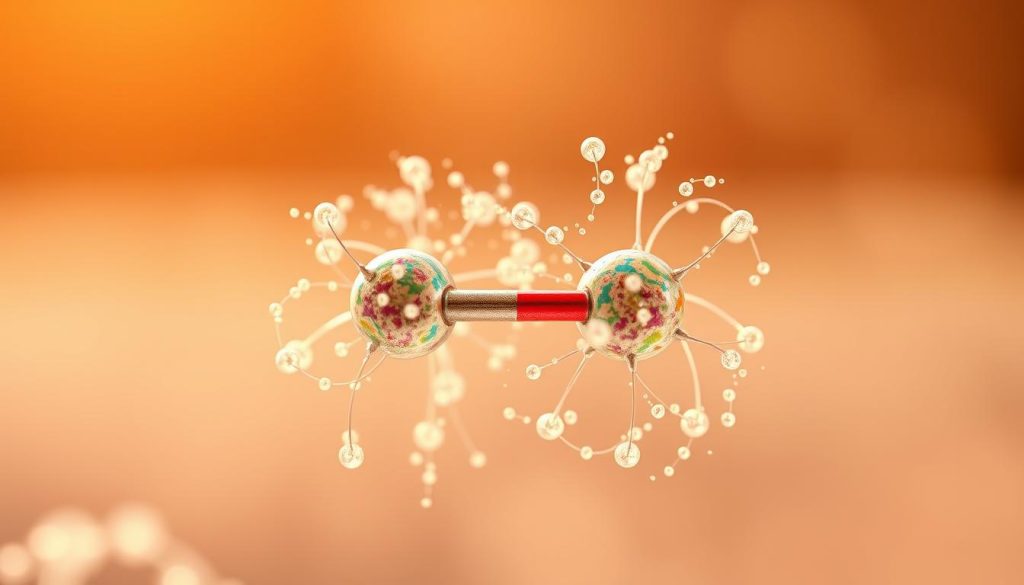
Those tiny crystals in your kitchen hold hidden powers rooted in atomic structure. Sodium and chlorine form an ionic bond—one gives electrons, the other takes. This partnership creates a stable lattice that dissolves instantly in moisture, releasing charged particles that transform your meals.
The Chemical Interactions of Sodium and Chlorine
When you season dishes, salt breaks into sodium and chloride ions. These charged particles penetrate ingredients differently. Sodium ions enhance sweetness by blocking bitter receptors, while chloride ions strengthen protein structures in meats and baked goods.
| Salt Type | Dissolution Speed | Flavor Impact |
|---|---|---|
| Table Salt | Fast | Direct salty hit |
| Kosher Salt | Moderate | Clean mineral finish |
| Sea Salt | Slow | Complex briny notes |
This ionic action explains why brined chicken stays juicy. The sodium-chloride duo alters muscle proteins, trapping moisture during cooking. Pastry chefs rely on this chemistry too—salt strengthens gluten networks for better bread structure.
Your kitchen experiments succeed when you grasp salt’s dual nature. Sprinkling it early in cooking allows deeper penetration, while finishing flakes add textural contrast. As food scientist Harold McGee notes:
“Seasoning isn’t just about quantity—it’s about timing and understanding molecular relationships.”
Different crystal sizes affect dissolution rates. Finer grains blend seamlessly into sauces, while coarse varieties provide bursts of flavor. Mastering these details elevates everyday dishes through science-driven techniques.
Navigating Different Types of Salt in the Kitchen
Your spice rack holds more variety than you might realize—each salt type brings its own personality to dishes. While all contain sodium chloride, their textures and mineral profiles vary dramatically based on origin. These differences transform how flavors develop in your recipes.
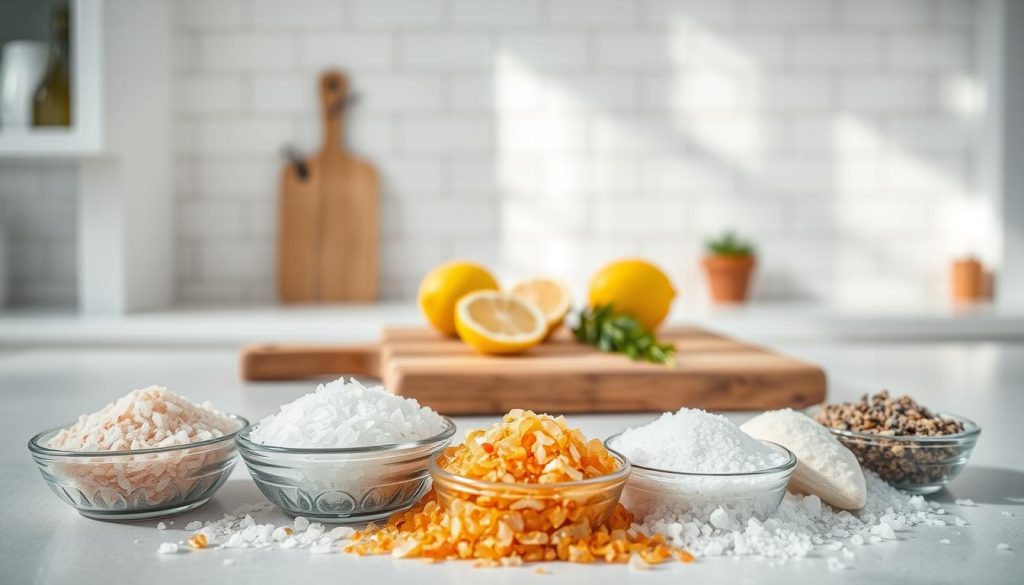
From Kosher and Sea Salt to Himalayan Varieties
Sea salt forms through evaporation, capturing trace minerals from ocean water. Its flaky crystals dissolve slowly, delivering subtle briny notes. Himalayan pink salt, mined from ancient deposits, contains iron oxide for a mineral-rich profile.
Kosher salt’s hollow crystals make it perfect for pinching. Chef Marcus Samuelsson explains:
“The right salt becomes your silent co-chef—kosher for seasoning meats, flaky Maldon for finishing roasted veggies.”
| Type | Best Use | Key Trait |
|---|---|---|
| Kosher | General cooking | Quick dissolution |
| Sea Salt | Finishing dishes | Crunchy texture |
| Himalayan | Presentation | Mineral complexity |
Selecting the Right Salt for Your Recipes
Your selection depends on timing and texture needs. Coarse salts work best in rubs—their slow dissolution draws moisture from meats. Fine-grained varieties blend seamlessly into batters and sauces.
Consider mineral content when pairing with ingredients. Celtic gray salt enhances seafood with its marine profile, while black lava salt adds dramatic contrast to light-colored dishes. Always taste as you season—density variations mean teaspoon measurements differ between salts.
Experiencing Salt’s Impact in Everyday Cooking
Your kitchen becomes a flavor laboratory when you harness sodium chloride’s dual talents. This mineral acts as both conductor and amplifier, transforming basic ingredients into memorable meals through thoughtful application.
Practical Tips for Balancing Flavors
Begin with a light hand when seasoning proteins like chicken. Chef Priya Krishna compares the process to music mixing:
“It takes all components and makes them cohesive. Start modest—you can always add more, but never remove.”
For eggs, timing matters. Add a pinch during scrambling for even distribution, or finish fried versions with flaky crystals for contrast. Sweet cookies benefit from salt’s balancing act—it tames sugar’s intensity while strengthening dough structure.
Incorporating Salt for Texture and Vibrancy
Create crunch in roasted vegetables by salting before cooking. Brine meats overnight for juicy interiors. Observe how different applications affect results:
| Application | Texture Impact | Flavor Boost |
|---|---|---|
| Baked Goods | Firmer crumb | Balanced sweetness |
| Brined Meats | Moist tenderness | Enhanced savoriness |
| Salted Caramel | Chewy consistency | Complex sweetness |
Experiment with finishing salts on completed dishes. A sprinkle of smoked salt elevates soups, while coarse flakes add excitement to chocolate desserts. Trust your palate—personal preference guides ideal seasoning levels better than rigid rules.
Conclusion
Your kitchen adventures reveal a universal truth—those tiny crystals transform meals across cultures. From ancient preservation methods to modern gastronomy, sodium chloride shapes culinary experiences in remarkable ways. Its ability to elevate dishes isn’t accidental; it’s rooted in chemistry and human biology working in tandem.
As you explore seasoning techniques, remember that balance creates magic. A pinch adjusts bitterness in greens while amplifying sweetness in desserts. Different crystal sizes and mineral profiles offer new dimensions—coarse flakes add crunch, fine grains blend seamlessly.
Share your discoveries with friends through thoughtfully seasoned meals. Whether perfecting a family recipe or experimenting with global flavors, understanding this mineral’s impact makes every bite intentional. The culinary world becomes your playground when you harness its fundamental principles.