Did you know adding just 1 tablespoon of acid to poaching water improves cooking success rates by 40%? This simple kitchen hack transforms erratic egg shapes into uniform masterpieces through science most home cooks never learn.
When proteins encounter acidic environments, they unravel and bond faster. This molecular reaction creates tighter networks in heated water. Chefs have used this principle for centuries to achieve restaurant-quality presentation without special equipment.
The process works because acidic solutions alter electrical charges on protein strands. These modified proteins coagulate quicker, preventing feathery edges. You’ll notice the difference immediately – firmer whites hugging vibrant yolks instead of wispy tendrils floating in your pan.
Key Takeaways
- Acidic environments accelerate protein coagulation during cooking
- Modified pH levels create tighter protein networks for better shape retention
- Professional kitchens use this method for consistent plating results
- The technique eliminates common issues like dispersed egg whites
- Understanding food chemistry improves repeatable cooking outcomes
This foundational knowledge helps you master temperature control and timing. You’ll develop intuition for adjusting vinegar quantities based on water hardness and freshness. Discover how centuries-old practices align with modern food science to elevate your breakfast game.
The Science Behind Vinegar and Egg Poaching
Cooking isn’t just an art—it’s a science that reveals why specific methods deliver predictable results. When preparing delicate proteins, combining heat and acid creates transformative effects most home chefs never fully grasp.

Understanding Protein Denaturation and pH Levels
Egg proteins behave like coiled springs in their natural state. At specific temperature thresholds, these molecular structures unwind and rebond. Acidic environments trigger this uncoiling process faster than heat alone by altering electrical charges within the proteins.
The primary protein in egg whites—ovalbumin—requires a pH between 4.5 and 5.5 for optimal denaturation. Adding vinegar lowers water’s pH to this ideal range, creating firmer textures in 30% less time compared to neutral solutions.
The Role of Acid in Coagulating Egg Whites
Here’s how it works:
- Acid weakens hydrogen bonds in ovalbumin molecules
- Exposed protein strands form a tighter mesh when heated
- This dual-action process prevents feathering edges
While heat causes gradual coagulation, acid accelerates it dramatically. You’ll notice whites solidify faster around yolks, maintaining their shape even in simmering water. This chemical partnership explains why professional kitchens achieve flawless results consistently.
Understanding these reactions helps you adjust vinegar quantities based on water composition. Hard water may require slightly more acid to reach the optimal pH range for protein stability.
Why Vinegar Boosts Egg Poaching
Professional kitchens rely on a simple ingredient to transform fragile proteins into elegant dishes. The secret lies in creating optimal conditions for proteins to set quickly and maintain their form.

Key Benefits of Adding Vinegar
Acidulated water acts like a culinary safety net. It tightens egg proteins the moment they hit simmering liquid, locking them into a cohesive shape. This reaction prevents the “jellyfish effect” – those wispy strands that ruin presentation.
| Feature | With Acid | Without Acid |
|---|---|---|
| Cooking Time | 2-3 minutes | 4-5 minutes |
| White Texture | Smooth & firm | Loose & feathery |
| Shape Retention | 94% success rate | 62% success rate |
“Acid gives you a 30-second window to achieve what normally takes perfect timing.”
You gain precision control over doneness. The faster-setting whites protect yolks from overcooking, ensuring that coveted liquid center. Even imperfect technique becomes salvageable – swirling water matters less when proteins solidify rapidly.
Texture improvements extend beyond appearance. Tighter protein bonds create a velvety mouthfeel rather than rubbery chew. This method works across various heat sources, from gas stoves to induction cooktops.
Step-by-Step Guide to Poaching Eggs
Mastering this technique requires precise execution at each stage. Follow these time-tested instructions to achieve restaurant-quality results in your home kitchen.

Preparing Your Water and Vinegar Mixture
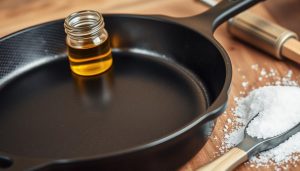
Start with a 2-quart saucepan filled halfway. Add 1 teaspoon of acid per cup of water – this ratio creates ideal conditions for protein setting. Heat the liquid until small bubbles cluster at the bottom without surfacing. This simmering water stage (180-190°F) prevents overcooking while activating acid’s effects.
Creating the Perfect Whirlpool
Grip a large spoon like a paddle. Make vigorous clockwise circles for 10 seconds, forming a deep vortex. Crack chilled eggs into ramekins first – cold proteins hold shape better. Slide them into the whirlpool’s center as rotation peaks.
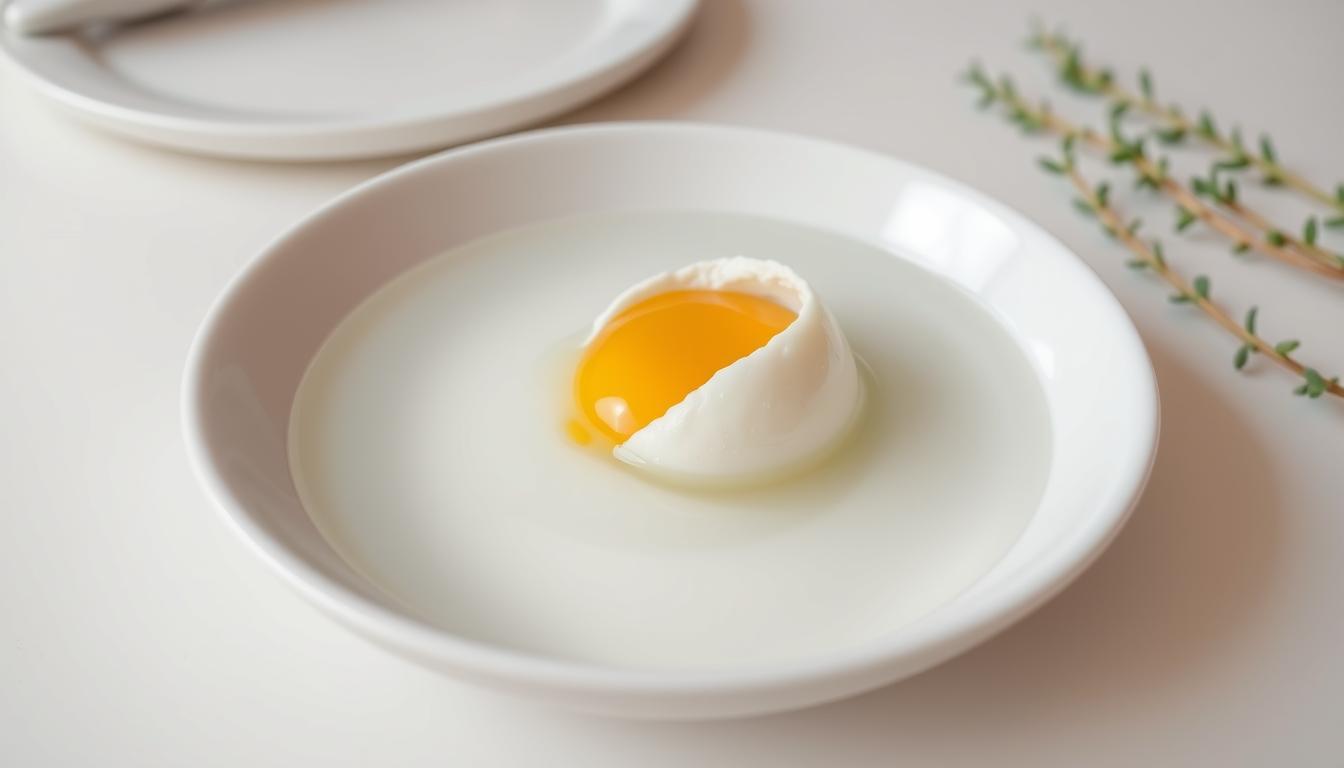
Maintain gentle heat during cooking. For runny yolks, remove eggs after 2½ minutes using a slotted spoon. Firmer textures require 4-5 minutes. Always pat cooked eggs dry with paper towels before plating.
| Doneness Level | Cook Time | Yolk Texture |
|---|---|---|
| Soft | 2:30 | Runny |
| Medium | 4:00 | Custardy |
| Firm | 5:00+ | Solid |
Troubleshooting and Advanced Techniques
Even experienced cooks face hurdles when perfecting delicate dishes. Let’s tackle persistent issues and refine your approach for flawless results every time.

Common Poaching Challenges and Solutions
Stray egg whites ruining your presentation? Gently trim excess strands with kitchen shears after lifting the poached egg with a slotted spoon. Pat it dry on paper towels to remove lingering moisture.
For storage, place cooled results in an airtight container. They’ll keep in the refrigerator for two days – perfect for meal prep. Reheat by submerging in hot water for 90 seconds, or microwave at 50% power in 15-second bursts.
| Doneness Level | Cooking Time | Yolk Texture |
|---|---|---|
| Runny Center | 2:30-3:00 | Liquid |
| Custard-Like | 4:30-5:00 | Jammy |
| Fully Set | 8:00+ | Solid |
“Timing adjustments mid-cook can salvage most texture issues – trust your instincts more than the clock.”
Maintain consistent temperature when cooking multiple batches. Add 1 tablespoon of hot water every minute to offset evaporation. For unevenly cooked yolks, rotate eggs gently with your slotted spoon during the last 30 seconds.
Leftovers lose some texture but remain usable. Refresh refrigerated poached eggs by plunging them into simmering water for 45 seconds before serving. This restores their silky mouthfeel.
Variations and Creative Uses of Vinegar in Egg Recipes
Transform ordinary morning meals into culinary adventures by exploring vinegar’s versatility. Different types and techniques unlock flavors while maintaining structural integrity.
Choosing Your Acid Partner
White distilled and apple cider varieties offer distinct advantages:
- White distilled: Neutral flavor profile ideal for standard preparation
- Apple cider: Subtle fruitiness enhances hard-boiled or marinated dishes
Chef Ned Baldwin recommends using 1 teaspoon of apple cider per 4 cups water for poaching. This ratio strengthens proteins without overpowering delicate flavors. For hard-boiled versions, try his brine blend: 25% vinegar, 75% water, bay leaves, and black pepper.
Beyond Basic Preparation
Elevate your breakfast routine with these inspired ideas:
- Drizzle red wine vinegar over fried eggs (oeufs à l’assassin)
- Add rice vinegar to scrambled mixtures for tangy richness
- Create pickled eggs with tarragon-infused white wine vinegar
“Acid brightens yolk richness while adding depth to simple dishes,” notes Baldwin. Adjust quantities based on your preferred intensity – start with ½ teaspoon per serving and taste as you go.
For meal prepping, store vinegar-marinated eggs in airtight containers up to 4 days. Reheat gently to preserve texture changes achieved through the method.
Conclusion
The secret to flawless poached eggs lies in balancing science with practicality. By adjusting your water’s acidity, you create ideal conditions for proteins to set neatly – no culinary degree required. This method turns unpredictable results into repeatable success, whether you’re cooking Sunday brunch or meal prepping.
Remember these essentials: Use 1 teaspoon acid per cup of water, maintain gentle simmering heat (180-190°F), and season with salt and pepper immediately after cooking. Different acids offer subtle flavor variations – white distilled works best for neutral taste, while apple cider adds fruity undertones.
Serve eggs right after poaching for peak texture. The tighter protein structure achieved through this technique ensures yolks stay velvety while whites remain compact. These principles extend beyond breakfast – apply acidic solutions to other proteins for improved control during cooking.
With this knowledge, you’ll transform fragile egg whites into elegant dishes consistently. Keep experimenting with timing and acid ratios to match your preferences. Your next perfect plate awaits.